A Constant Reminder

A Constant Reminder

The next in the series of morning blessings after al netilat yadayim (washing the hands) is al mitzvat tzitzit. Tzitzit are “fringes” on garments required in several biblical passages: “They shall make fringes for themselves on the corners of their garments throughout their generations.” (Num. 15:38)

Jews carry out this mitzvah by wearing the arba kanfot, the “four corners,” a garment with tzitzit, the first garment put on each day when getting dressed. There are also tzitzit on the tallit, the “prayer shawl” a Jew puts on for prayer. A post in theTorah.com provides a historical overview of meanings associated with wearing tzitzit. I’d like to focus on two ideas mentioned in the post and think about how they speak to me. But first, the blessing:

בָּרוּךְ אַתָּה הָ׳ אֱלֹהֵינוּ מֶלֶךְ הָעוֹלָם אַשֶׁר קִדְשָנוּ בְּמִצְוֹתָיו וְצִוָנוּ עַל מִצְוַת צִיצִת

Baruch atta Adonai Eloheinu Melech ha’olam asher kid-sha-nu b’mitz-vo-tav v’tzi-vanu al mitzvat tzitzit.

Blessed are you, Lord our God, King of the universe, who has sanctified us with His commandments, and commanded us concerning the mitzvah of tzitzit.

The explanation I have heard most frequently of the meaning and purpose of tzitzit is that they remind us throughout the day of the commandments and in reminding, save us from sin. But here are two other ideas that speak more meaningfully to me:

A Reminder of the Shema

“Listen, Israel, Adonai is our God. Adonai is One.” The Shema speaks to us of the Oneness of God. But what does that mean?

Adonai, Lord, a stand-in for the Tetragrammaton, is most often thought of as a “personal” god, a god who engages in personal relationships with human beings. Maimonides makes this idea part of his 13 Principles of Faith. God creates and guides, rewards and punishes. ~ Principles 1, 10 and 11. God is often represented in Jewish tradition, in the Torah and rabbinic literature, with characteristics we associate with a human being. God feels great love, compassion, tenderness, anger, even regret. It is these anthropopathic qualities that allow a personal relationship with created beings.

At the same time, this god is wholly other than God’s creation: “nothing whatsoever can compare to Him [or be compared with Him]…” ~ Principles 2 and 3. Where there is no similarity, no point of identification, it is hard to imagine a relationship.

So we have a paradox, a being wholly other yet to whom human beings can relate. That suggests to me a range of meanings and different ways of experiencing what we refer to by phonemes (God, Lord, Adonai) as we attempt to live within the paradox.

The paradox has been expressed in many different ways within Judaism. Never speaking or writing the four-letter name for God, the Tetragrammaton. Referring to God as Ha-Shem, the Name. The Jewish mystics use the phrase Ayn Sof to refer to God, “without end.”

But even as we refer to the incomprehensibility and otherness of God, we imagine ourselves in relationship with a being who says with reference to freeing the Israelites from Egypt, “…how I bore you on eagles’ wings and brought you to Me.” The tenderness and beauty of this phrase speak of a profound relationship — yet we know there are no wings involved here other than in our imagination. “Religion is in the language of ‘as if.’” It is our stories and images and similes that give meaning to our lives, including the idea that we are in an intimate relationship with All That Was, Is, Will Be. But Maimonides reminds us that any story, any simile, cannot possibly express ultimate reality.

So for a moment as I recite this benediction, I will set aside all the names for what is unnameable, all the visualizations and stories. I will empty myself and in that empty state participate in oneness. For a moment, I am without cultural constructs, the limitations of language, space and time. I am aware of profound interconnection, of interbeing — I am in everything, and everything is in me. There is a oneness of being, a compassionate whole in which the miracle of diversified life unfolds. This is a meaningful space from which to enter my daily life.

The Seas and the Heavens

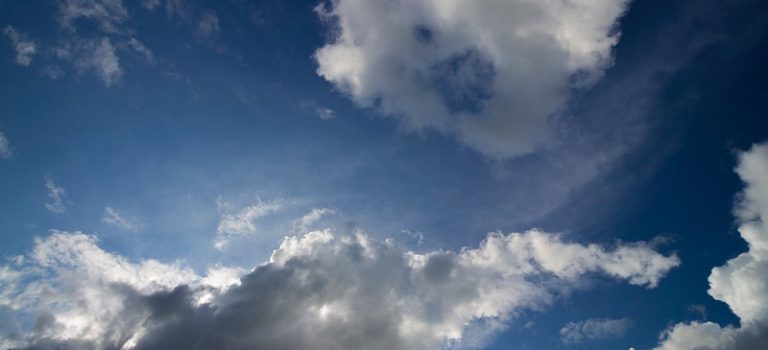
In the post from theTorah.com, there is a passing reference to “the mystical explanation that the tekhelet of tzitzit reminds us of the seas and of the heavens and of God,” as one of the few rabbinic explanations of why the tzitzit remind us of God. Tekhelet is a special blue dye mentioned 49 times in the Tanakh/Hebrew Bible. It was used in the High Priest’s garments, the tapestries in the Tabernacle and in tzitzit.

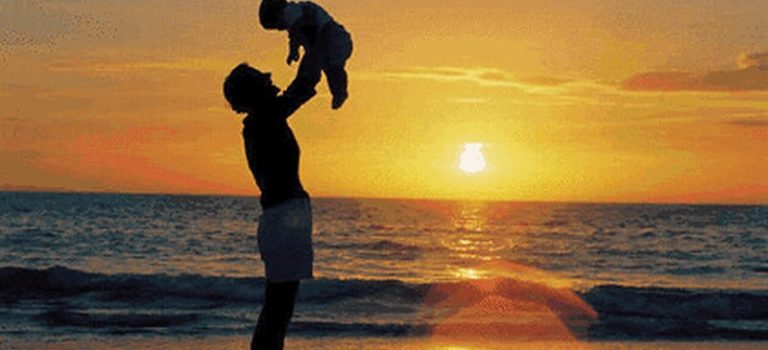
My earliest experience of anything like a “God-awareness” came from watching the sun on the water or lying on my back looking up to the heavens. Somehow I didn’t need and didn’t form a picture in my child’s mind of that “God.” I didn’t need to name my experience, define it or explain it. I just experienced vastness, intimacy, profound connection, beauty and deep peace. So understanding the tekhelet of the tzitzit as a reminder of those moments, as a path into them, is a powerful kavanah (intention, direction of the heart) for me.

Tzitzit. Unity of All That Was, Is, Will Be. I was, am, and will always be part of this extraordinary beauty. There is inexpressible peace and love in this space. Tzitzit wordlessly connect me to that.

Beginning the Day

Beginning the Day

I woke up this morning to sun coming in the window, and I felt joyful. Another day for a long walk with my husband, Andy, and my little dog, Rafi. Rafi was recently restored to good health and puppy-behaviors (even tho he’s ten years old) after six months of baffling pain, so I’m pretty joyful about that as well. None of us has coronavirus, and we are fortunate that we can just stay home. Both of my sons and their wives work at home — and my grandson is home-schooled. So there’s that.

But then I paused for a moment in my reflections and happy feelings and thought of how an observant Jew might begin the day, with this prayer:

I thank you, living and enduring King. You return my soul to me with compassion. How great is your faith (in me)!

מוֹדֶה (מוֹדָה) אֲנִי לְפָנֶֽיךָ מֶֽלֶךְ חַי וְקַיָּים. שֶׁהֶֽחֱזַֽרְתָּ בִּי נִשְׁמָתִי ,בְּחֶמְלָה. רַבָּה אֱמֽוּנָתֶֽךָ׃

Modeh (Modah) ani l’fanecha, melech chai v’kayam, she-hazarta bi nishmati b’chemla. Rabba emunatecha.

The prayer is followed immediately with the first blessing of the day recited with the first action of the day after rising, hand-washing:

Blessed are you, O Lord, our God, King of the Universe, who has sanctified us through your commandments and has commanded us concerning the washing of hands.

בָּרוּךְ אַתָּה הָ׳ אֱלֹהֵינוּ מֶלֶךְ הָעוֹלָם אֲשֶׁר קִדְּשָׁנוּ בְּמִצְוֹתָיו וְצִוָּנוּ עַל נְטִילַת יָדַיִם

Baruch atah Adonai Eloheinu melech ha-olam asher kid’shanu b’mitzvotav v’tzivanu al netilat yadayim.

For many of us, reciting a structured prayer followed by a specific action and structured blessing might be problematic. Why not just relax in the moment of joy on waking? Do or say something spontaneous? Surely that’s more “authentic.” But perhaps there’s something to be said for managing our “mood” and shaping our worldview.

Here are some things that come into my mind and heart as I contemplate this prayer of gratitude and the first blessing of the day.

Modeh (modah) ani l’fanecha – I thank You, I am grateful before You. My awareness on waking is immediately directed beyond myself, though it includes myself, as I express gratitude…

Melech chai v’kayam – Living and enduring King. Despite what appears to be reality from our limited point of view, there is a greater reality in which All That Is lives and breathes and “endures,” is eternal…

She-hazarta bi nishmati – You return my soul to me. The breath of that greater Being-ness, of All That Is, reanimates our consciousness, our awareness of being…

B’chemla – With compassion. The very nature of all being is compassionate and the fact that we are here, that we have consciousness, is evidence of that…

Rabba emunatecha – How great is your faith (in me)! “in me” is added in the translation as an assumption since the conversation is about returning spirit or consciousness to the one reciting the prayer. But what if that faith is more universal? What if that faith is in All That Is, in the processes of creation as well as the Being-ness of what is as of yet uncreated? Faith in us but in so much more, in that of which we are all part…

So as we take our first breath, instead of focusing on our personal and particular blessings — or getting lost in what we feel we are missing — we turn our attention to the greater whole of which we are a part, to the inherent compassion of the whole and for ourselves in particular as we once again come into being, into consciousness.

And now, restored to the created world and remembering we are part of All That Is, celebrating our unique ability to be conscious of our connection, we take our first step into the day. We wash our hands.

Baruch atah Adonai Eloheinu melech ha-olam – Blessed are you, O Lord, our God, King of the Universe. Again, our attention and awareness are directed to All That Is, reminding us we are part of that and not isolated from it. We are not alone. We are part of a living, breathing, compassionate whole. And we are conscious of that, reminding ourselves of our consciousness and our role in creation through the act of saying a blessing…

Asher kid’shanu b’mitzvotav – Who has sanctified us through your commandments. Imagine that! That which is so much greater than we, All That Is, “sanctifies” us, a part of the whole. First reminded we are part of an eternal wholeness, we now recognize we are simultaneously “sacred” or set apart from it. Or perhaps better, we are unique within it, and we have special responsibilities within it. Our responsibilities, those things we are commanded to do to fulfill our nature, are what sets us apart…

V’tzivanu al netilat yadayim – and has commanded us concerning the washing (lifting) of hands. The blessing now specifies the commandment we are recognizing and performing, our special obligation. Translated “washing,” netilat literally means “lifting.” We are first singled out from All That Is with commandments that allow us to fulfill our unique nature as human beings and as Jews. Then in performing the commandment we single out a part of ourselves, our hands, sanctifying them with water and lifting them to the heavens.

Think about this for a moment. The first action of the day, sanctifying our hands, setting them apart. There is a depth and diversity of symbolism here, something we can all meditate on, finding our own meaning.

But there is more. God — All That is — the greater Whole — within which we all are born, live our lives and die, compassionate infinity, makes conscious choices, first of us, setting us apart by giving us commandments, then in particular of our hands. There is a reason for this, a meaning in it.

And so with our first prayer, we recognize the compassion that has granted us another day of neshamah — breath, consciousness, a uniquely human consciousness. Then as we wash our hands and lift them, we recite the blessing that invokes our human uniqueness that can “reflect on and celebrate itself in conscious self-awareness.” (The Dream of the Earth, Thomas Berry, Sierra Club Books San Francisco, 1988, p. 132). And from that mental and spiritual space, we begin our day.

It’s still wonderful to wake up in the morning and feel happy because of my particular blessings, my family, my little dog, our home, our health, a relatively warm and sunny day. But this Jewish beginning, a formulaic prayer followed with a ritual action and the first of many berachot, blessings, centers me in a framework of meaningful action. And it does that even on the days it’s raining or hardships cause stress or sadness.

Creators & Destroyers

Creators & Destroyers

Blessed are You, O Lord our God, ruler of the universe, who entrusts us with the power to create and destroy worlds.

This is a blessing I composed as I considered the destruction we bring upon our Garden in so many ways.

I read an article this morning from Scientific American titled “Destroyed Habitat Creates the Perfect Conditions for Coronavirus to Emerge.” It is about pandemics in general, and Covid-19 in particular. On our current trajectory, this pandemic will be far from our last.

We need to talk more about this: “There’s misapprehension among scientists and the public that natural ecosystems are the source of threats to ourselves. It’s a mistake. Nature poses threats, it is true, but it’s human activities that do the real damage. The health risks in a natural environment can be made much worse when we interfere with it.”

Maybe the Torah expressed an important truth when it differentiated between domestic animals and wild beasts. Humans are responsible to care for their domestic animals. Domestic animals are to enjoy Shabbat along with their human caretakers. But between humans and wild animals, separation, respect, live-and-let-live.

Sometimes “awe and amazement” have to do with becoming fully aware of the power placed in our hands. I hope God’s trust in humanity wasn’t fully misplaced.

The bigger story

The bigger story

“. . .the human activates the most profound dimension of the universe itself, its capacity to reflect on and celebrate itself in conscious self-awareness.” (The Dream of the Earth, Thomas Berry, Sierra Club Books San Francisco, 1988, p. 132)

I’d like to think more about this idea in relation to Jewish blessings.

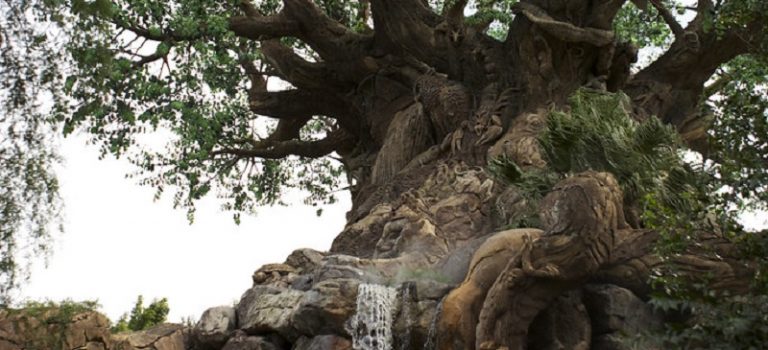
“Tree of Life Waterfall” by sdettling is licensed under CC BY-NC 2.0

Berry presents this thought in the context of an idea of a “new story” of the universe that is emerging, a combination of a mechanistic scientific idea and a mythic, values-enriched idea. Years ago I heard a phrase that I put to work many times in my own teaching: “Myth gives meaning to history.” Yes, of course there are facts, historical facts, scientific facts. But it is how we understand the facts that gives our lives meaning. This, then, is our most important task as human beings, the meaning of our lives in the world: to reflect on and celebrate creation in conscious self-awareness.

I have come back to this idea of “the story” repeatedly in the past couple of years ever since I read Yuval Noah Harari’s Sapiens and Charles Eisenstein’s The More Beautiful World Our Hearts Know Is Possible. Harari tells us the unique ability of human beings is that we create fictions (stories) and persuade others to believe them — which in turns allows us to cooperate flexibly in large groups, the key to our success as a species. Eisenstein challenges us to choose the story in which we will stand. Our stories make our lives meaningful. Our stories represent our reflections on and celebrations of creation.

Jewish blessings are mini-reminders of a greater narrative of the universe, a story in which every living being is gifted with life and food appropriate for its nature. A story of creativity, wisdom, justice and compassion. A story that begins and ends with an aspirational vision, the Garden.

Something about Jewish blessings…

Something about Jewish blessings…

Jewish blessings are formulaic. Most begin like this: “Blessed are you, o Lord our God, Ruler of the universe, Who . . .” In our times, an age that prioritizes the authority of the individual, we are likely to dismiss or negatively characterize formulaic blessings and prayers. How could they be from the heart?

But then we would miss the teaching in this form. What do you usually think of when you think of blessings? I’m asking you for your blessing…please bless me with good health, with success…I am grateful for my many blessings. But these words sound more like prayers of supplication or gratitude to me.

I haven’t done a systematic study of this, but I think many if not most Jewish blessings, certainly those that are according to this formula, bless God for something that God does. The Blessing for Seeing An Unusual Being is a good example:

בָּרוּךְ אַתָּה יהוה אֱלהֵינוּ מֶלֶך הָעולָם משנה הבריות

Blessed are You, LORD, our God, King of the Universe, Who makes Beings different.

Baruch ata Adonai, Eloheinu melech ha-olam, m’shaneh habriyot.

Sometimes after blessing God, “Who” is followed with something God commands us to do:

בָּרוּך אַתָּה אַדָנָי אֱלהֵינוּ מֶלֶך הָעוֹלָם אַשֶׁר קִדְשָנוּ בְּמִצְוֹתָיו וְצִוָנוּ לְהַדְלִיק נֵר שֶל שַבָּת

Baruch ata Adonai, Eloheinu Melech ha-olam, asher kidshanu b’mitzvotav vitzivanu l’hadlik ner shel Shabbat.

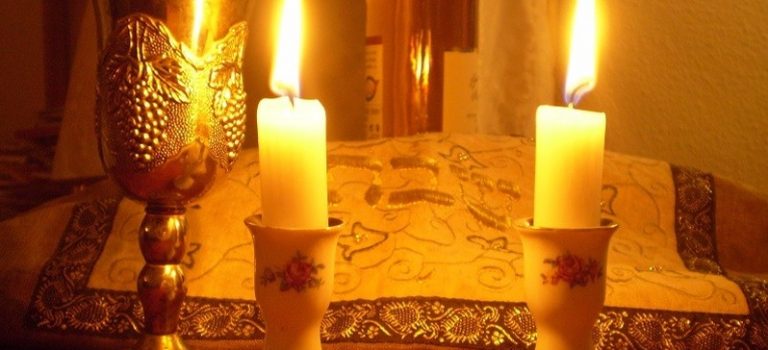
Blessed are You, God, Ruler of the universe, Who sanctified us with the commandment of lighting Shabbat candles.

Both blessings bless God, one for the works of creation, one for engaging us with God as human beings, in this case by noticing and marking a space in time.

An amazing teaching that offers learning through repetition and performance. We continually notice and reflect on the fact that everything we see is gifted to us, came into being through a force beyond our comprehension. And we are invited to take a role in that creation, through noticing, marking time, performing specific acts including reciting blessings that acknowledge our role.

You are not IN the universe, you ARE the universe, an intrinsic part of it. Ultimately you are not a person, but a focal point where the universe is becoming conscious of itself. What an amazing miracle.” ~ Eckhart Tolle

We are creation becoming conscious of itself when we recite a Jewish blessing.

Multi-tasking

Multi-tasking

I’m not a multi-tasker, but I do it anyway. Who doesn’t? I’ve rarely seen a job description that requires mindfulness, but I’ve seen plenty that say, “Must be a good multi-tasker.” People pride themselves on their ability to multi-task. I feel inadequate.

But the truth is, we don’t really multi-task anyway. We rapidly serial-task. And research shows that attempted multi-tasking is both inefficient and stressful.

I can certainly vouch for the stressful part. When I owned and operated a cafe (and everyone knows restaurants are the ultimate in multi-tasking businesses), I used to regularly lock myself in the bathroom and cry. A little meltdown from the constant and immediate demands that made me go brain-dead.

I’ve never liked talking on the phone, but I’m a writer, and I text and email. And people text and email me. But whether it’s phone time or texting and emailing time, the constant and immediate possibility of sharing the most recent thing that comes into our heads enhances our multi-tasking addiction. We can take care of that most recent message immediately, no matter what else we’re doing.

But what we can do isn’t necessarily what we should do. When we try, we decrease focus, intelligence and productivity for each of the things we’re doing and increase stress.

So what does all this have to do with blessings? My stress levels have been unusually high this past year. So high that I’ve actually had what I can only describe as an “out-of-body” experience. Usually very context-sensitive, I am aware of being disconnected from my environment and hearing words that are not contextually appropriate coming out of my mouth.

I decided to engage in a conscious process of reducing my stress levels. This isn’t very easy for me. Have you ever tried bio-feedback? I did once, at the Museum of Science and Industry. A friend who was with me tried it first and worked the feedback like a symphony. Then it was my turn. I clipped my finger into a particular spot, and the feedback was at a pretty shrill level, much like my insides. I tried everything to bring it down. Then I thought, well, if I can’t bring it down, maybe I’ll bring it up. No problem.

All of which is to say, I need time for this process, and I need techniques, something shorter than a half hour meditation session at this stage of my work. Jewish blessings seem like just the thing. A brief moment in time of total focus. If I have one today, maybe I can have two tomorrow. And three the next day. Maybe I’ll even get to 100 blessings a day.

And maybe, just maybe, I’ll make it back to myself and the calm that comes from knowing I am part of everything, and everything is part of me.

The Things We Don’t Think Of

The Things We Don’t Think Of

Jewish blessings serve to bring our attention to what we might otherwise not stop to notice. They also cause us to truly take in what startles or frightens us and integrate it with a consciousness of the unity and creativity of all being. And just as God blesses a moment in time on the seventh day, some blessings Jews recite also mark moments in time, giving us a place in its vast expanse.

My Jewish Learning discusses “8 Jewish Prayers You’ve Never Heard Of.” Three stand out to me: ”The Blessing of the Sun,” “Blessing on a Rainbow,” and “Blessing on Seeing an Unusual Being.”

The Blessing of the Sun is unusual because it‘s infrequent, every 28 years. In referencing creation, it reminds us that time depends on human consciousness, on noticing. Beyond creation, beyond humans noticing and marking time, by “blessing” the moment in a variety of ways, there is no time. Or if time does exist outside of human consciousness, it is irrelevant. If we don’t mark the passing of moments, occasions, seasons and times, what difference do they possibly make? Here is the blessing of the sun with its reference to Creation. Time began on the sixth day with the advent of human beings who could notice and reflect on the unfolding of time, and on the seventh day as God modeled that kind of noticing and reflecting:

ברוך אתה ה’ אלהינו מלך העולם עושה מעשה בראשית

Blessed are You, Lord our God, King of the Universe maker of the works of Creation.

Baruch ata Adonai, Eloheinu melech ha-olam, oseh ma’aseh b’reishit.

Blessing on a Rainbow uses the opportunity of seeing a rainbow to reaffirm a relationship between God and human beings, one that began on the sixth day of creation and was confirmed after the flood. Is there a hint not just of human affirmation but of reminding God of the promise?

בָּרוּךְ אַתָּה יהוה אֱלהֵינוּ מֶלֶך הָעולָם זוכֵר הַבְּרִית וְנֶאֱמָן בִּבְרִיתו וְקַיָּם בְּמַאֲמָרו

Blessed are You, LORD, our God, King of the Universe, who remembers the covenant, and is faithful to God’s covenant, and keeps God’s promise.

Baruch ata Adonai, Eloheinu melech ha-olam, zocher habrit v’ne’eman biv’reetoh v’kayam b’ma’amarav.

But Blessing on Seeing an Unusual Being is probably my favorite:

בָּרוּךְ אַתָּה יהוה אֱלהֵינוּ מֶלֶך הָעולָם משנה הבריות

Blessed are You, LORD, our God, King of the Universe, who makes Beings different.

Baruch ata Adonai, Eloheinu melech ha-olam, m’shaneh habriyot.

My Jewish Learning uses the translation “creatures” for habriyot. It’s a fine translation, except that the connotations of the word in modern English obscure the meaning and intent of the blessings, in my opinion. I prefer “beings,” even “living beings,” although that’s probably redundant.

Jewish law prescribes the recitation of a blessing upon seeing an unusual person or animal.” The question is, “unusual” in relation to what? Is there a norm out there for how any human or nonhuman animal should look? The specific wording of the prayer blesses God for great diversity in creation, represented in these living beings.

Jewish legal codes don’t provide a norm, but they do provide examples of when the blessing is required, on seeing “an albino, a dwarf, an extremely tall person, a monkey, and an elephant.” What differentiates these beings? What makes them “unusual?” I suspect the only thing that makes them unusual is that they startle us into awareness. And that sudden moment of awareness, of being fully alive, provides us an opportunity to appreciate the infinite creativity represented in the diversity of our world. And so we bless God for creating that diversity.

Three “simple” blessings, a few words, elegantly composed within the bounds of a formula, like haiku, ready for mining, suggesting meanings within meanings.

Time, relationship, diversity. It’s a story much like the one told by modern cosmologists about how we got here and the human purpose in creation. We are here to notice and reflect on the ongoing process of creation as it moves toward greater complexity and diversity. We are here to nurture our relationships.

God recites blessings too

God recites blessings too

In the story of God creating the world in Genesis, God recites blessings in three moments. The first is on the fifth day, and it is for living beings in the air and water:

וַיְבָ֧רֶךְ אֹתָ֛ם אֱלֹהִ֖ים לֵאמֹ֑ר פְּר֣וּ וּרְב֗וּ וּמִלְא֤וּ אֶת־הַמַּ֙יִם֙ בַּיַּמִּ֔ים וְהָע֖וֹף יִ֥רֶב בָּאָֽרֶץ׃ 

God blessed them, saying, “Be fertile and increase, fill the waters in the seas, and let the birds increase on the earth.” (Gen. 1:22)

The second is on the sixth day, when God creates land animals, including humans, and blesses the humans:

וַיְבָ֣רֶךְ אֹתָם֮ אֱלֹהִים֒ וַיֹּ֨אמֶר לָהֶ֜ם אֱלֹהִ֗ים פְּר֥וּ וּרְב֛וּ וּמִלְא֥וּ אֶת־הָאָ֖רֶץ וְכִבְשֻׁ֑הָ וּרְד֞וּ בִּדְגַ֤ת הַיָּם֙ וּבְע֣וֹף הַשָּׁמַ֔יִם וּבְכָל־חַיָּ֖ה הָֽרֹמֶ֥שֶׂת עַל־הָאָֽרֶץ׃ 

God blessed them and God said to them, “Be fertile and increase, fill the earth and master it; and rule the fish of the sea, the birds of the sky, and all the living things that creep on earth.” (Gen. 1:28)

The third blessing is on the seventh day, when God stops God’s work of creation, blesses the day and declares it holy:

וַיְבָ֤רֶךְ אֱלֹהִים֙ אֶת־י֣וֹם הַשְּׁבִיעִ֔י וַיְקַדֵּ֖שׁ אֹת֑וֹ כִּ֣י ב֤וֹ שָׁבַת֙ מִכָּל־מְלַאכְתּ֔וֹ אֲשֶׁר־בָּרָ֥א אֱלֹהִ֖ים לַעֲשֽׂוֹת׃ (פ) 

And God blessed the seventh day and declared it holy, because on it God ceased from all the work of creation that He had done. (Gen. 2:3)

The specifics of these blessings raise a lot of interesting questions, but I’m thinking right now about the act of reciting a blessing. I’m imagining God saying a blessing.

The picture that comes to me as I imagine God saying a blessing starts from the Hebrew, בָ֤רֶךְ ( b-r-k, “bless”). Immediately the word בִּרְכַּיִם (b-r-k in a plural form, “knees”) comes to mind. So the word for blessing in Hebrew tells us that a blessing involves the knees. Whether or not a blessing specifically tells us to bend our knees, as in va-anachnu, the word for blessing itself suggests that we do just that.

So I imagine God stopping the work of creation to look out at the world God created, at the living beings in it, and appreciating it all. God even appreciates the time to appreciate! And God recites blessings, bends the knees toward life and the special space created in time to appreciate life.

Bending the knees signifies many things to me. Respect comes first into my mind. Submission. Awe. Jews bend the knees at various times during prayer, and it signifies all these things in relation to God. But imagine God expressing the same things toward that which God created. Respect recognizes the worth of life and of time, so intimately connected to life. Submission recognizes and bows to human sovereignty in making our own choices.

And awe? Well, I remember when my sons were born. With each, I was in awe. I couldn’t take my eyes off them. Everything about them was beautiful, amazing, extraordinary, miraculous . . . awesome. When I imagine God surveying creation, living beings, and bending the knee, when I imagine God in awe of us, it completely transforms my perception of how humanity relates to God.

And then it’s time for creation, for human beings in particular, to respond in kind. There are so many ways to respond, with acts of loving-kindness, with prayerful conversation, with expressions of joy and gratitude — but there is one important Jewish way of responding, with a blessing. We are in a reciprocal relationship. God bends the knee to us as God recites a blessing . . . And we, in turn, bend the knee to God:

בָּרוּך אַתָּה אַדָנָי אֱלהֵינוּ מֶלֶך הָעוֹלָם הָמוֹציא לֶחם מן הַארץ

Baruch atah Adonai, Eloheinu Melech ha-olam, hamotzi lechem min ha’aretz.

Blessed are You, Lord our God, King of the universe, who brings forth bread from the earth.

As we “stop” for a brief moment in the expanse of time, appreciate the moment, notice what is before us, truly notice the miracle of this world being here at all, of us being here in this moment to see it . . . notice that our world provides what sustains us, our bread . . . then we cannot help but feel respect, submission to what is much greater than we can possibly grasp or imagine, awe and amazement.

Looking for the cracks

Looking for the cracks

The chorus of Leonard Cohen’s poem/song, Anthem, is running through my mind this morning:

Ring the bells (ring the bells) that still can ring
Forget your perfect offering
There is a crack in everything (there is a crack in everything)
That’s how the light gets in . . .

This is the wisdom of Jewish blessings. They’re not just about what we immediately recognize as beautiful or beneficial. They are also about finding the light in the cracks.

But there is another bit of wisdom in these lines. Maybe it’s a wish for perfection, conscious or unconscious, that blocks us from seeing the light in the cracks, from even looking at the cracks. If we experience what is imperfect as “less than,” we miss opportunities to experience connection and interbeing.

Just . . . stop.

Just . . . stop.

It’s good advice for all kinds of situations. It’s a primary tool in the healing toolbox: stop. Just stop.

I remember years ago when I wanted to become shomeret Shabbat, a Sabbath observer. This meant finishing all my house cleaning and cooking before Shabbat started, refraining from all “work” as defined by the Mishnah and elaborated for the times by later rabbis. There are lots of things not to do on Shabbat — but the basis of all those things is that we are required to just . . . stop.

The origins of Shabbat are explained in the Torah: it is because God stopped on the seventh day:

וַיְכַ֤ל אֱלֹהִים֙ בַּיּ֣וֹם הַשְּׁבִיעִ֔י מְלַאכְתּ֖וֹ אֲשֶׁ֣ר עָשָׂ֑ה וַיִּשְׁבֹּת֙ בַּיּ֣וֹם הַשְּׁבִיעִ֔י מִכָּל־מְלַאכְתּ֖וֹ אֲשֶׁ֥ר עָשָֽׂה׃

On the seventh day God finished the work that He had been doing, and He ceased on the seventh day from all the work that He had done.

וַיְבָ֤רֶךְ אֱלֹהִים֙ אֶת־י֣וֹם הַשְּׁבִיעִ֔י וַיְקַדֵּ֖שׁ אֹת֑וֹ כִּ֣י ב֤וֹ שָׁבַת֙ מִכָּל־מְלַאכְתּ֔וֹ אֲשֶׁר־בָּרָ֥א אֱלֹהִ֖ים לַעֲשֽׂוֹת׃ (פ)

And God blessed the seventh day and declared it holy, because on it God ceased from all the work of creation that He had done.

Ceasing, stopping, is a conscious action. It involves a decision to take action, that is, to stop. And that becomes the commandment that is the basis of what we do and don’t do on Shabbat. As God did, we stop work on the seventh day. What an amazing practice.

Think about shutting down and disconnecting from anything that might bring you into contact with work, whether it’s involved in your personal needs, the needs of others including your family, your phone, your computer, driving a car. Twenty-six hours. It probably seems pretty impossible, right?

But also think about what might happen during that time. There is a tradition that our extra soul is restored on Shabbat. When you disconnect in this way, amazing things start to happen. You have time to be with family and friends, to share meals prepared in advance, to take a walk, to read and study just because. You have time to notice. Perhaps to feel gratitude because you had time to notice.

And that brings me back to blessings. Blessings are a small, minute-by-minute practice that reflect the same idea. Just . . . stop. And notice.